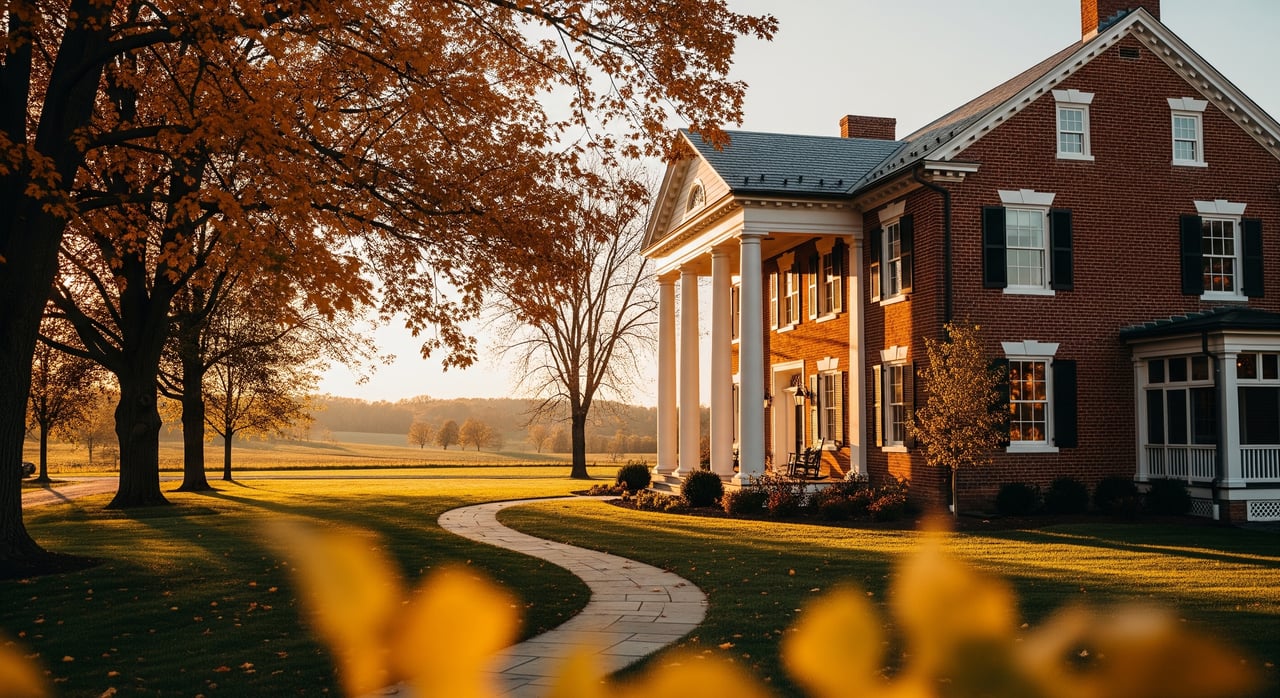
Thinking about a quieter village with a vibrant campus down the street? In Cedarville, Ohio, you get small-town routines, college-town energy, and easy access to the broader Dayton area. If you want community-centered living, parks and trails, and a housing market that feels different from bigger suburbs, this guide is for you. You’ll learn what daily life looks like, how the university shapes the village, what to expect for housing, and how Cedarville compares to nearby towns. Let’s dive in.
Where Cedarville sits in the Dayton area
Cedarville is a village in Greene County, Ohio, set among rural surroundings with a compact center and a prominent university presence. You sit within the greater Dayton metro, with larger communities like Beavercreek, Xenia, and Yellow Springs nearby. Most residents drive to those nearby towns for broader retail, dining, and services. The feel is local and low-key, with limited large-scale commercial development inside village limits.
Daily life and community rhythm
Small-town routines
Day to day, you’ll notice a simple rhythm. The village center offers local shops, cafés, churches, and basic services. Evenings tend to be relaxed, and weekends are driven by community events, church activities, and university happenings. For bigger nights out, many residents head to larger towns close by.
University influence
Cedarville University is a key part of life here. It anchors local employment, draws visitors, and brings regular arts, lectures, concerts, and sports to the calendar. The academic year creates a seasonal pulse. Weekdays and weekends feel livelier while classes are in session, then quieter during breaks and summer.
Shopping and services
Inside the village, you’ll find everyday essentials like convenience shopping, a few restaurants and cafés, and local banking and professional services. For major grocery runs, specialty retail, or large entertainment venues, you’ll likely drive to Beavercreek, Xenia, or other parts of the Dayton area. That split is part of the appeal for many residents who prefer a quieter home base.
Social and cultural offerings
Community life leans local. You can expect church-based activities, school and campus events, and village festivals throughout the year. University programs often open to the public and provide a variety of cultural touchpoints. It’s easy to meet people through volunteer groups, civic organizations, and recurring seasonal events.
Parks, trails, and outdoor time
In-village parks and play
Cedarville has village parks and playgrounds where you can walk, jog, and bring kids to play. Youth sports, pick-up games, and casual meetups are common in warmer months. Many residents also enjoy open green spaces on and around the university campus for daily walks and outdoor study time.
Regional trails and nature
Greene County is known for its trail network and access to natural areas. You are within reach of regional bike paths, nature preserves, and the Little Miami River corridor. These resources make it easy to plan weekend rides, river walks, and casual picnic spots with friends and neighbors.
Seasonal weather and activities
You’ll experience four distinct seasons. Winters are cold and can be snowy, while summers are warm and humid. Spring and fall are popular times for hiking, biking, and community events. If you enjoy year-round outdoor time, the seasonal change adds variety to how you use local parks and trails.
Housing and neighborhoods
What you will find
Cedarville’s housing reflects its small-town and university blend. You’ll see:
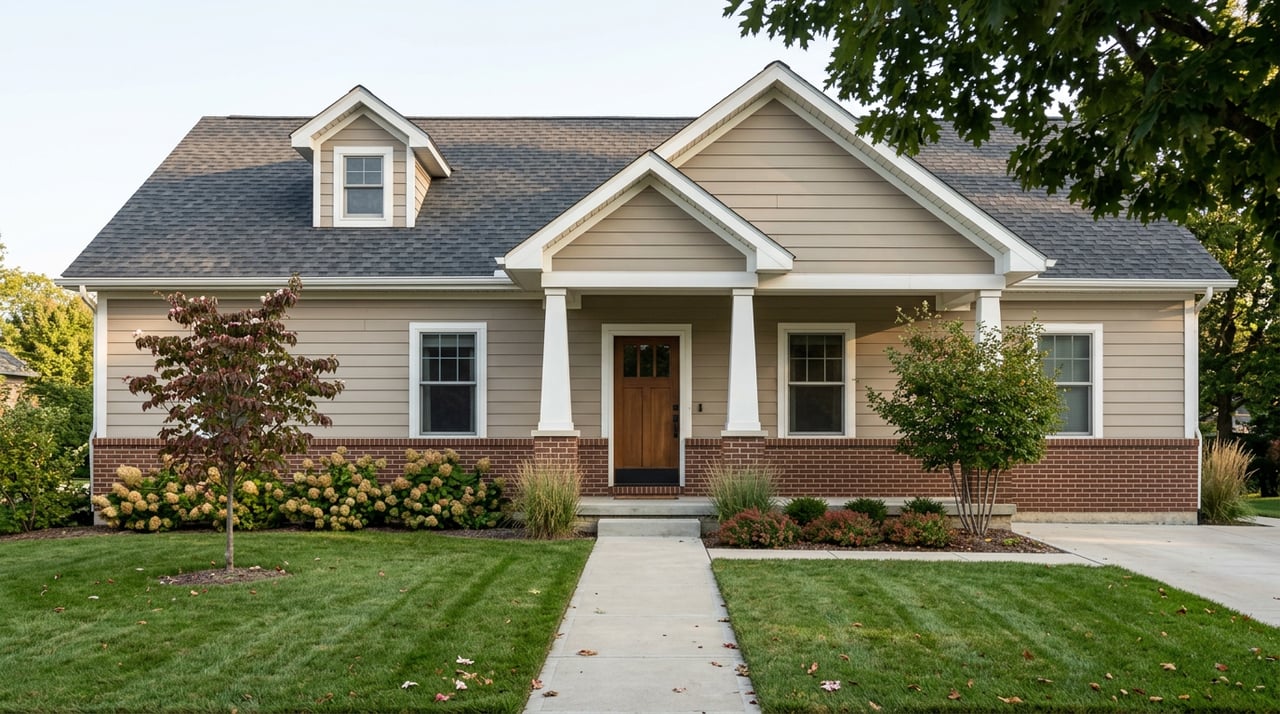
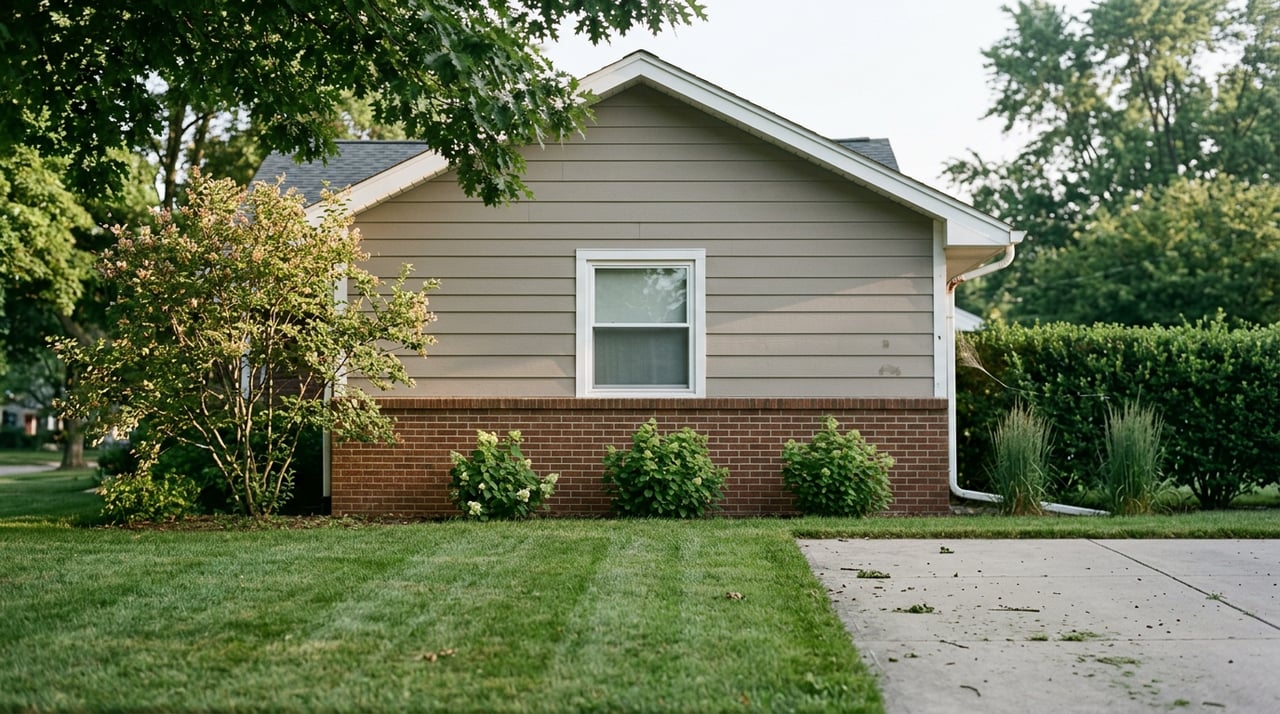
- Older single-family homes near the village center, often from the early to mid-20th century.
- Newer builds and small subdivisions on the village edges and in nearby rural areas.
- Duplexes, small apartment buildings, and rental properties serving students, faculty, and staff.
This mix gives buyers options, from in-town charm to more space on the outskirts.
Price and value overview
Cedarville generally offers lower home-price levels than many closer-in Dayton suburbs with larger retail centers like Beavercreek. Pricing varies by home age, condition, lot size, number of bedrooms, and proximity to the university. Inventory can be limited compared to larger markets, so timing and preparation matter. If you are watching value, compare homes by updates, maintenance history, and utility setup rather than price alone.
Tips for buyers and sellers
- Get pre-approved early and be ready to tour quickly. Small markets shift fast.
- If you like older homes, budget for inspections and potential updates.
- Considering a property near campus? Clarify rental rules and expectations first.
- Looking at rural or edge-of-village homes? Confirm zoning, utilities, and septic considerations.
- Review local property tax and assessment details before finalizing your budget.
Getting around and connectivity
Driving and commuting
Driving is the primary way to get around Cedarville and the surrounding area. Many residents commute to jobs in nearby Greene County towns or the greater Dayton metro. Routine errands and weekly shopping often include short drives to Beavercreek or Xenia for larger retail centers.
Transit, biking, and walking
Expect limited or no frequent public transit inside the village. Walking and biking are practical within the village and campus areas for daily routines and short errands. For longer rides, regional trails open up more options for fitness and leisure but are not a substitute for everyday commuting.
Internet and cell service
Broadband options can be more limited in small villages compared to major suburbs. If you work from home or need specific speeds, check providers, plans, and upload speeds for your exact address. Also confirm cell coverage by carrier before you move.
Schools, healthcare, and services
K–12 options and research tips
Cedarville is part of Greene County. To evaluate local public schools, review the Ohio Department of Education’s district and school report cards. Confirm district boundaries for your specific address and explore extracurriculars and transportation options. Families often consider commute time to schools alongside home features.
Healthcare and hospitals nearby
Full-service hospitals, urgent care, and specialty clinics are typically found in nearby larger communities like Beavercreek, Xenia, and the broader Dayton area. Major regional systems serve Greene County and offer a range of primary care and specialty services. It is smart to map your preferred providers and travel times from your prospective home.
Utilities and emergency services
Inside village limits, municipal services can cover water and sewer. In outlying areas, wells and septic systems may be common. Always verify with the village or county for current utility providers, connection costs, and any septic inspections. Police, fire, and EMS are provided through local and county services; check response coverage and contacts as part of your due diligence.
How Cedarville compares nearby
- Beavercreek: More retail, dining, and services, with quicker access to major highways and a higher housing density. You will find a broader range of neighborhoods and price points in a more suburban environment.
- Xenia: As the county seat, Xenia offers a wider municipal service base and a varied housing stock. Retail options are more extensive than in Cedarville, with different commute patterns and amenities.
- Yellow Springs: Known for a strong arts and local food scene, with a distinct cultural vibe. Housing and community feel attract a different set of preferences than a small, university-centered village.
- Jamestown and rural areas: More land and privacy, fewer services close by. If you want space for hobbies or small-scale agriculture, these areas may appeal, but plan for longer drives and more independent property management.
Is Cedarville a fit for you?
Choose Cedarville if you value small-town living with a meaningful campus influence, easy access to parks and trails, and a quieter home base near a larger metro. You will trade big-box convenience for local connection and a village pace, and you will likely drive to nearby towns for broader shopping and entertainment. If that balance sounds right, Cedarville can be a rewarding place to call home.
Thinking about buying, selling, or relocating to the Cedarville area? Get local guidance, clear timelines, and market-smart strategy with Michele Hines. Get Your Free Home Valuation.
FAQs
How does Cedarville’s housing compare to Beavercreek?
- Cedarville generally has lower price levels than larger, closer-in suburbs like Beavercreek, with variation based on age, updates, lot size, and proximity to campus.
What is the commute like from Cedarville to nearby job hubs?
- Most residents drive to nearby towns or the Dayton area; check real-time routing at typical commute hours to estimate your door-to-door time from a specific address.
How does the university affect daily life and housing?
- The academic calendar brings seasonal energy, more rental demand near campus, and regular cultural and sports events that add to community life.
Are there grocery and everyday shopping options in the village?
- You’ll find basics in Cedarville; for larger grocery runs and more retail variety, many residents drive to nearby towns such as Beavercreek or Xenia.
What outdoor recreation can I expect around Cedarville?
- Village parks, local playgrounds, and regional trails offer walking, running, and biking options, with additional nature areas and the Little Miami River corridor within reach.